
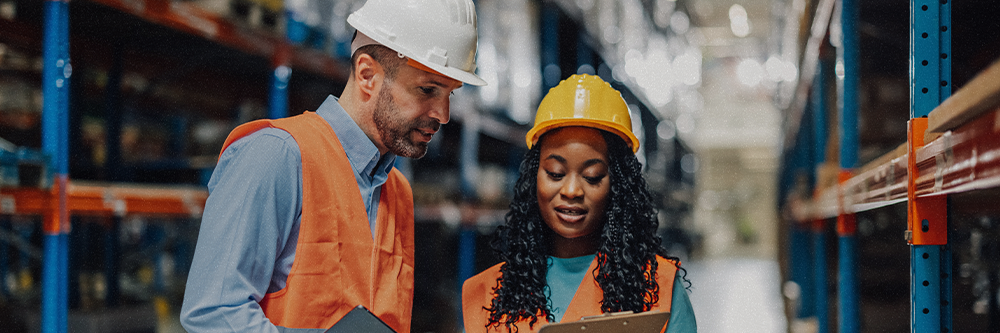
Why Investing in Proper Workplace Safety Initiatives is Vital to Success
Building a Stronger Safety Culture in Nevada Manufacturing
Workplace safety is more than an OSHA requirement. For manufacturers, a strong safety program is essential to protecting employees, reducing costly disruptions, improve productivity, and create a culture where everyone takes responsibility for maintaining a safe workplace.
For small and medium-sized manufacturers, identifying and addressing safety risks easy can make a significant difference. From machine guarding and lockout/tagout procedures to hazard communication and emergency preparedness, proactive safety practices help manufacturers protect their people while strengthening their operations.
Why Safety Should Be a Business Priority
Safety incidents can have consequences that extend far beyond a single injury or OSHA citation. Workplace accidents can lead to downtime, lost productivity, workers' compensation costs, employee turnover, and damage to morale.
OSHA violations can also result in significant financial penalties. More importantly, recurring safety issues can indicate larger problems within a company's processes, training, or workplace culture.
The good news is that may of these risks can be identified and addressed before they become costly problems.
Common Safety Risks for Manufacturers
Manufacturing environments involve a wide range of equipment, materials, and processes, making it especially important to regularly evaluate workplace hazards. Some of the areas manufacturers should pay close attention to include:
- Lockout/Tagout (LOTO): Ensuring hazardous energy is properly controlled during equipment maintenance and servicing.
- Machine Guarding: Protecting employees from moving machinery and other mechanical hazards.
- Hazard Communication: Making sure employees understand the hazards associated with chemicals and other materials they encounter.
- Respiratory Protection: Providing appropriate protection and training when employees may be exposed to airborne hazards.
- Injury and Incident Reporting: Establishing clear processes for reporting and learning from workplace incidents.
- Emergency Action Plans: Preparing employees to respond effectively to fires, severe weather, medical emergencies, and other workplace incidents.
Addressing these areas proactively can help manufacturers reduce risk while creating more consistent and reliable safety practices.
Safety Is Essential For Operational Excellence
A strong safety program should be implemented and integrated into everyday operations rather than treated as a separate initiative. Regular inspections, employee training, documented procedures, and continuous improvement can help manufacturers identify hazards and prevent them from becoming larger problems.
When employees understand how to work safely and feel empowered to speak up about potential hazards, safety becomes part of the company's culture. That culture can lead to better communication, stronger employee engagement, and more efficient operations.
How Manufacture Nevada Can Help
Manufacture Nevada works with Nevada manufacturers to identify workplace risks, strengthen safety practices, and develop solutions that fit their unique operations. Through safety assessments, training, business advising and operational improvement services, our team can help manufacturers identify gaps, improve processes, and build a stronger safety culture.
With various events and ways to connect with our Business Advisors, Manufacture Nevada can help you connect with the resources needed to create a more safe and productive workplace.
Content from this blog is sourced from Polaris MEP.


.webp)


